The internet is a vast expanse, but much of it remains hidden from the average user. Among the layers of the web exists a mysterious realm known as the dark deep web. This area is not indexed by standard search engines and requires specific software and configurations to access. Understanding the dark deep web is crucial for anyone looking to navigate the complexities of online safety and privacy. This article will unpack what the dark deep web is, how it operates, and potential implications for users.
What is the Dark Deep Web?
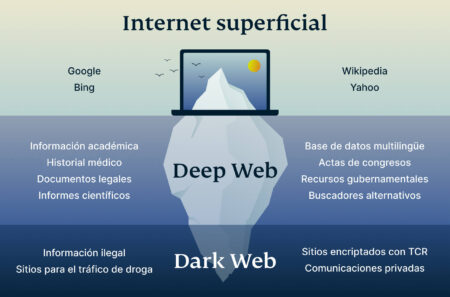
The dark deep web comprises parts of the internet that are not accessible through traditional search engines such as Google or Bing. It includes networks, databases, and websites that require specific configurations to access, primarily through software like Tor or I2P. While the term "deep web" encompasses any online content not indexed by search engines—including academic databases, private corporate sites, and more—the dark deep web refers to a subset characterized by anonymity and often anonymity in illicit activities.
The deep web hosts a variety of content necessary for everyday activities that require privacy and security, such as email accounts, subscription services, paywalled content, and private business databases. Some of the most harmful content online has surfaced in hidden networks, and international investigators are actively working to dismantle them. The dark web is a part of the internet consisting of hidden sites that aren’t indexed by conventional search engines. After all, some websites on the deep web are like those on the open internet, except that they are hidden behind a paywall or protected via passwords to limit access. Some content and services on the deep web are indexed by search engines, but paywalls or password protection prevent access.
- The dark web also offers access to blocked resources in countries with strict government censorship on the internet.
- Valid credentials or authorized access
- There's no such thing as perfectly private or secure on the internet.
- Our additional labeling, which aims to standardize the assessment, may interact differently with each source’s pre-labeled data.
Accessing the Dark Deep Web
It blocks trackers, prevents user fingerprinting, encrypts data, and reroutes your browsing so no one can see where in the world you are. You'll often see these terms used in your travels across the internet, and there's some confusion about what they mean. It's a part of the internet that's less regulated and more shadowy, for better and for worse. It's somewhere Google and Bing don't index, and you need special tools to get to it. The dark web, for the uninitiated among you, is a virtual neighborhood beyond the borders of the normal, everyday internet (which includes the website you're looking at right now). He has a bachelor's degree in English Literature from Durham University, where he also spent a term as editor of the award-winning student newspaper Palatinate.
To access the dark deep web, users typically rely on Tor (The Onion Router) or similar tools designed to provide privacy. Tor operates by routing users' internet traffic through a series of servers, thus obfuscating their location and browsing habits. This layer of anonymity attracts a variety of users, from whistleblowers and journalists seeking safe communication channels to individuals interested in accessing illegal content.
It is notorious for illegal transactions and activities such as drug trafficking, arms dealing and identity fraud. The dark web is a section of the Internet not searchable through traditional search engines, where privacy and anonymity reign. Initially designed for secure military communications, it evolved into a broader tool for online anonymity, later expanding to public use with the Tor network. Plus, it features a built-in VPN to encrypt your connection, hiding your IP address and online activity, for more anonymous and private browsing.
Legitimate Uses of the Dark Deep Web
Despite its notorious reputation, the dark deep web can serve legitimate purposes. Privacy advocates and activists use it to share sensitive information without fear of government surveillance. Additionally, it allows individuals in oppressive regimes to communicate freely and access information. Secure platforms for sharing knowledge, such as forums dedicated to discussing cybersecurity or political activism, thrive within this space.
Risks Involved
While there are positive aspects to the dark deep web, it is essential to recognize the inherent risks. Users may encounter illegal activities, including the sale of drugs, weapons, and stolen data. Fraud and scams are also prevalent, making it crucial for individuals to tread carefully. Furthermore, the anonymity that the dark deep web provides can be a double-edged sword, as malicious entities may exploit this environment to engage in harmful activities.
Understanding the Implications
The implications of the dark deep web extend beyond individual user safety. Law enforcement agencies worldwide grapple with the challenges posed by illegal activities that take place in this hidden realm. Cybersecurity experts continuously study these networks to develop better protective measures for the general public. As the dark deep web evolves, understanding its functioning becomes paramount for both law enforcement and everyday internet users.

Conclusion
In conclusion, the dark deep web represents a complex intersection of anonymity, privacy, and risk. While it can offer unique opportunities for legitimate users seeking safe spaces, the dangers associated with this domain cannot be overlooked. Educating oneself about the dark deep web is essential for navigating the broader internet landscape safely and responsibly. By understanding both its positive and negative aspects, individuals can make informed choices about their online presence and behavior.