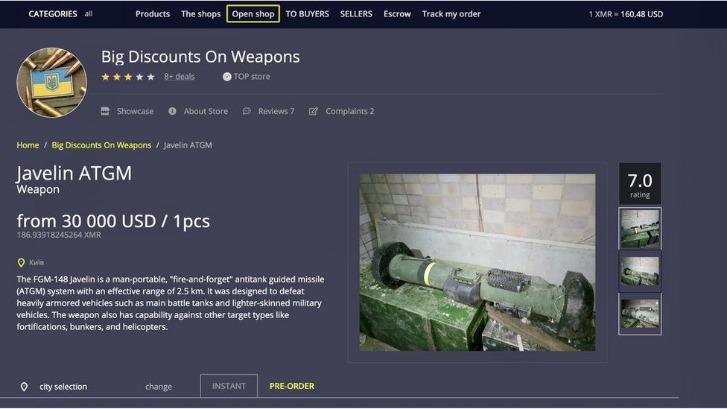
The darknet is often shrouded in mystery, characterized by its hidden nature and a variety of online marketplaces. These platforms can offer a wide range of goods and services, from legal products to illicit items. Understanding the current darknet market list is crucial for individuals seeking to navigate this digital landscape. Whether for research purposes or to stay informed, knowledge about these markets can be a vital tool. This article will provide insights into the most notable darknet markets, their operations, and their implications.
- The dark web is a portion of the Internet that is inaccessible to normal search engines.
- While anyone can use it, it’s built for high-stakes exchanges, making it overkill for routine file sharing or data backups.
- As of 2025, the most active and influential dark web marketplaces include Abacus Market, STYX Market, Brian’s Club, Russian Market, BidenCash until its mid 2025 takedown, WeTheNorth, and TorZon Market.
- Of course, bypassing paywalls is ethically questionable and may be illegal in some jurisdictions.
- Law enforcement agencies worldwide are continuously working to combat the illegal activities on darknet marketplaces.
- Also a contributor on Tripwire.com, Infosecurity Magazine, Security Boulevard, DevOps.com, and CPO Magazine.
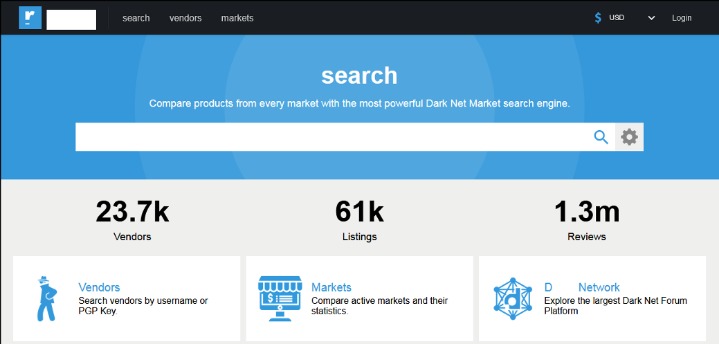
Cybercriminals plan attacks, sell credentials, and share exploits in hidden forums and marketplaces that require specialized search engines to monitor. It doesn’t track searches or store personal data, making it a strong option for users seeking more anonymous private browsing. These anonymous marketplaces—operating mainly on the Tor network—are now a primary threat vector for businesses and cybersecurity professionals. Everything is well-organized and easy to find, which benefits newcomers to this environment.With a growing user base and an expanding inventory, Vortex is positioning itself as an “all-in-one” marketplace on the darknet. With the closure of giants such as AlphaBay, many sellers and buyers migrated to Abacus in search of a new home, and boy did they find it.This marketplace has over 40,000 listings, offering everything from illegal drugs, fake documents, stolen credit cards, and fake IDs to phishing kits and hacking tools. Not all marketplaces you want to visit can be accessed through regular search engines.
Current Darknet Market List
Darknet markets are accessed through special software, most commonly Tor, which anonymizes user activity. Below is a list of some prominent darknet markets currently in operation:
- AlphaBay: Once the biggest market, it has recently been revived, offering a wide range of products, including electronics, drugs, and counterfeit goods.
- Hydra Market: Catering primarily to Russian speakers, Hydra is known for its extensive catalog of drugs and digital goods, emphasizing user privacy.
- Okruja: A newer entrant in darknet commerce, focusing on a variety of products and striving to create a trustworthy ecosystem for buyers and sellers.
- DarkNet Heroes: This market has gained popularity for specializing in specific items such as hacking tools and other illicit services.
- Empire Market: Initially closed, it has seen efforts to re-establish itself, dealing mainly in drugs and personal armor.
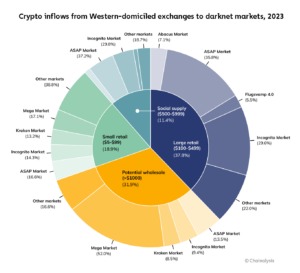
The dark web market saw a rise in posts related tostealer malware, which is designed to pilfer sensitive information such aslogin credentials, financial details, and personal data. Chainalysis also noted that some markets are openly advertising their wares in Russia, with giant 3D billboards (Kraken Market) and QR codes on subway trains (Mega Darknet Market). On the fraud shop’s website, cybercriminals could comb through hundreds of thousands of bots on its robust user interface (UI), filtering results by criteria like country or searching for credentials tied to a particular domain name. As it retrieved data from malware-infected computers, Genesis sold victims’ online footprints — which it called “bots” — on its market. Fraud shops are vendors that typically operate on the dark web and facilitate the sale of stolen data and personally identifiable information (PII), which cybercriminals abuse in illicit activities like scamming, identity theft, and ransomware. The chart above shows that ASAP and Mega Darknet markets led the large retail and wholesale segments respectively.
Next, the stolen data is advertised by wholesalers and distributors who sell the data. But this supply chain involves the interconnection of multiple criminal organizations operating in illicit underground marketplaces. Law enforcement agencies and regulators continue to be interested in identifying and disrupting darknet websites that create, promote, or traffic in illicit activities, including CSAM, illegal weapons sales, drug sales, hacking as a service, and money laundering activities. Given the darknet’s infrastructure, which is hidden behind onion routing, the darknet attracts sites whose proprietors want to remain anonymous. The landscape of darkweb markets is dynamic, influenced by technological, economic, and regulatory factors.
How Darknet Markets Operate
Understanding how these markets work is essential for anyone delving into them:
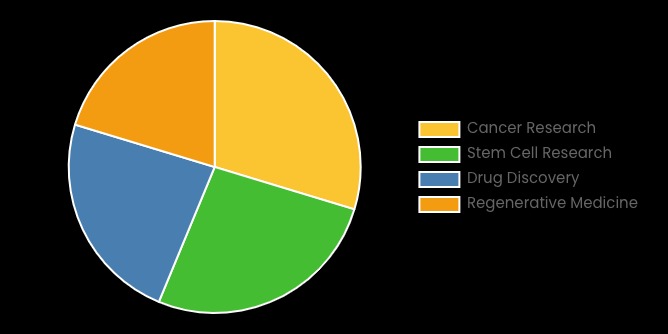
- Access through Tor: Users must install Tor to reach these hidden websites, ensuring anonymity.
- Cryptocurrency Payments: Most transactions occur in cryptocurrencies like Bitcoin or Monero, providing an extra layer of anonymity.
- User Feedback and Ratings: Just like traditional marketplaces, buyers can leave feedback on sellers, impacting their reputation.
- Escrow Services: To build trust, many markets employ third-party escrow services to hold funds until transactions are confirmed.
Risks and Considerations
- Access typically requires the Tor browser to ensure anonymity and bypass standard internet restrictions.
- Additionally, mistakes by users, such as reusing usernames or failing to use VPNs, can lead to exposure.
- We should note though that some of the highest-earning markets shown above only serve specific countries or regions.
- However, if we’re being honest, the majority of activity on darknet markets involves illegal or heavily regulated items.
Navigating the darknet comes with substantial risks and ethical considerations:
- Legal Risks: Many items are illegal, and purchasing them can result in legal consequences.
- Fraud and Scams: The anonymous nature of these markets can lead to scams, where sellers take money without delivering products.
- Exposure to Harmful Materials: Users may encounter dangerous content or items, risking their safety and well-being.
Frequently Asked Questions
What is the darknet?
The darknet refers to networks that are not indexed by standard search engines, requiring specific software, configurations, or authorization for access.
What types of goods are sold on darknet markets?
These markets often sell illegal drugs, counterfeit items, hacking tools, and stolen data, as well as some legal goods.
Is it safe to shop on darknet markets?
No, engaging with darknet markets carries risks, including legal ramifications and potential exposure to fraud or harmful products.
In conclusion, the current darknet market list serves as a crucial resource for understanding the complexities of these underground platforms. Staying informed allows individuals to navigate this digital ecosystem while considering the associated risks and ethical implications.