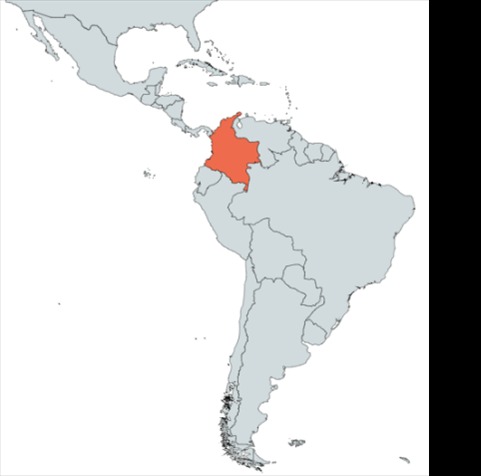
In recent years, the rise of dark markets has become a significant topic of discussion, particularly in countries like Colombia. These online platforms operate on the fringes of legality, offering a variety of goods and services that can be both intriguing and alarming. Understanding how dark markets Colombia function is essential for citizens, law enforcement, and policymakers alike, as they present both opportunities and threats in the digital landscape.
The "illegal economy" consists of economic activities pursued in violation of legal statutes that define the scope of legitimate forms of commerce. Black money is the proceeds of an illegal transaction, on which income and other taxes have not been paid. Cash remains the preferred medium of exchange for illegal transactions, as it is more difficult to trace. While procurement for public entities in Colombia often involves specific tender processes, the private institutional market offers opportunities for dark stores to provide reliable and efficient supply solutions. Other institutions, such as non-profit organizations or government agencies, could leverage dark stores for efficient procurement of a wide array of goods. The country's B2C e-commerce market, projected to continue its significant growth, underscores the immense potential within this segment, making efficient, ultra-fast delivery of a wide product assortment directly to consumers' homes the primary focus for dark stores.
Smartphone proliferation has jumpstarted the regional “crime as a service” economy, an amorphous online marketplace where criminals can purchase ready-made digital tools or services that help them carry out sophisticated criminal activities. For example, the U.S. government’s Dodd-Frank Act of 2010 prohibits American firms from buying natural resources obtained illegally or in areas controlled by criminals or terrorists. It’s proof, he said, that a black market for valuable metals and rare-earth minerals is growing in territory the Colombian government has historically found difficult to police. New paramilitary groups and related drug trafficking organizations that have continued operating after the AUC demobilization process are referred to as bandas criminales emergentes or BACRIM (Spanish for "emerging criminal organizations") by the Colombian government. It rose to prominence during the second half of the 1990s, after the Cali Cartel and the Medellín Cartel fragmented, and was known as one of the most powerful organizations in the illegal drugs trade. Colombia has a long history of producing heroin, but this production has been decreasing significantly over the past several years as criminal groups have shifted their focus of production towards other drugs and other sources of trafficking.
Colombia is also a source and destination market for cannabis, likely the second-largest drug-trafficking market after cocaine and the most consumed drug domestically. Sophisticated local criminal networks are linked to international organized crime groups that traffic the drug across porous borders. Similarly, the illegal wildlife market is a pressing issue and Colombia has become a significant source country for trafficking of illegal animal products, such as exotic birds and reptiles, destined primarily for Europe. Consumption of the drug is considered in determining the reach of the criminal market. Activities by an organized crime group involving the illegal entry, transit or residence of migrants for a financial or material benefit. This entire dynamic is linked to the lack of emphasis the government had placed on illegal mining in Colombia until relatively recently.
Dark Markets Colombia
Dark markets are online platforms that facilitate the exchange of goods and services, often illegal in nature, through the use of cryptocurrencies. In Colombia, like in many other countries, these markets have gained traction due to several factors including economic instability, high inflation rates, and limited access to legitimate employment opportunities.
Characteristics of Dark Markets
- Anonymity: Users can buy and sell items with a degree of anonymity, often necessitating the use of cryptocurrencies like Bitcoin or Monero.
- Access to Illegal Goods: They provide a marketplace for illegal substances, counterfeit goods, and even hacking services.
- Decentralized Nature: Many dark markets operate on the dark web, making them harder to regulate and track down by law enforcement agencies.
Impact on Society
Dark markets Colombia have various implications for society, including:
- Increased Crime Rates: The accessibility of illegal goods can lead to greater crime in surrounding communities.
- Challenges for Law Enforcement: The anonymity and decentralized nature of these platforms pose significant hurdles for authorities trying to enforce laws.
- Potential for Abuse: Vulnerable populations, including youth, may be more susceptible to the allure of dark markets.
- There is a fairly robust civil society presence in Colombia, which plays a key role in analyzing and hindering organized crime, mediating with criminal groups and helping to get vulnerable youths out of gangs.
- As this 50-year dataset of black market rates shows, relying solely on official figures can blind investors to the truth.
- Founded in 2014, BriansClub remains one of the oldest and most infamous dark web markets for stolen credit cards, fullz (complete identity kits), and dumps.
- Lastly, the government monitors and implements the integrated and sustainable illicit crop reduction and alternative development strategy in Colombia.
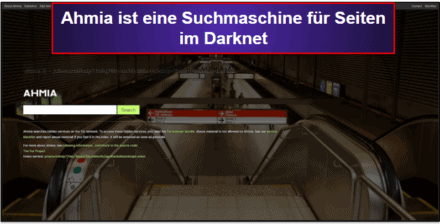
- Tor2door Market is among the largest dark net shops you must visit in 2025 if you’ve decided to visit such sites.
Why Knowledge is Power
Awareness and understanding of dark markets Colombia can empower individuals. Here are some critical reasons to stay informed:
- Protection Against Fraud: Knowledge can help individuals identify scams or unsafe transactions that are prevalent in these markets.
- Staying Safe: Understanding the risks associated with engaging in dark market transactions can prevent hazardous situations.
- Community Engagement: Informed citizens can contribute to discussions on how to combat the negative influences of dark markets.
FAQs about Dark Markets in Colombia
Q: What types of goods are commonly found on dark markets in Colombia?
A: Dark markets often feature illegal drugs, counterfeit items, stolen data, and various hacking-related services.
Q: How can one access dark markets?
A: Access typically requires specialized software such as Tor, combined with knowledge of cryptocurrencies.
Q: Are all transactions on dark markets illegal?
A: Most transactions involve illegal goods or services, which is what classifies these markets as "dark"; however, some may offer legal items as well.
Conclusion
Understanding the dynamics of dark markets Colombia is not just an academic exercise; it is a vital endeavor that can significantly impact personal and community safety. By being informed, individuals can better protect themselves from the risks associated with these online platforms and contribute to larger discussions about safety, law enforcement, and economic opportunities.