The dark web is often portrayed as a shadowy corner of the internet, teeming with illegal activities and illicit exchanges. Among the many concerns, credit card dumps dark web stand out as a significant issue, as they involve the unauthorized sale and distribution of stolen credit card information. Understanding how this works, the implications involved, and the potential risks can help individuals protect themselves from becoming victims of financial fraud.
The scale of this leak underscores the persistent vulnerabilities in global payment systems. For instance, BidenCash saw a surge in user activity following its free data leaks. B1ack’s Stash’s emergence and rapid growth highlight the ongoing evolution of dark web marketplaces and the persistent threats they pose to global cybersecurity. Recently, on February 17, 2025, Dark Web Informer claimed that B1ack’s Stash is a “legitimate” fraud site. Most comments range from negative to neutral, while very few users gave clearly positive endorsements based on their site experience.
- Among the most infamous was Joker’s Stash, one of the largest carding marketplaces, active from 2014 until its closure in early 2021.
- B1ack’s Stash, a new dark web marketplace, recently gained significant attention by releasing 1 million stolen credit card details for free upon their debut on April 30, 2024.
- Additionally, credit card numbers for approximately 209,000 consumers and certain disputed credit reports for an additional 182,000 individuals were exposed.
- Moreover, being alert to signs of card compromise and knowing how to respond swiftly if your data is stolen can drastically limit potential damage.
- Defending the world from cybersecurity threats through continuous compliance.
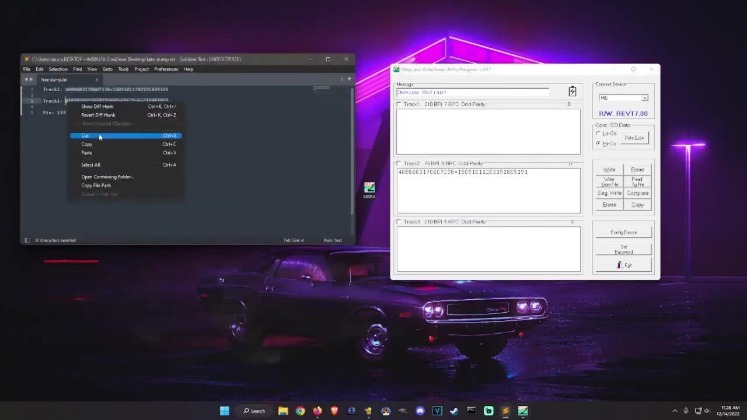
From here, buyers proceed to utilize this stolen information to commit fraud—typically by making unauthorized online purchases, creating counterfeit physical credit cards, or initiating financial transfers. A dark web carding market named 'BidenCash' has released a massive dump of 1,221,551 credit cards to promote their marketplace, allowing anyone to download them for free to conduct financial fraud. The fraudsters either use the credit card dump to clone credit cards to make unauthorized purchases at brick-and-mortar stores or online or to resell to other buyers. A credit card dump refers to a digital copy of stolen credit card information and is commonly used by fraudsters to clone credit cards and make unauthorized purchases. Credit card dumps are essentially stolen or counterfeit credit cards that contain the data extracted from legitimate cards.
- Protecting yourself from credit card fraud is crucial in today's digital age.
- Coupang disclosed unauthorized access to customer data, prompting regulatory scrutiny and lawsuits.
- The unauthorized transfer involved personally identifiable information (PII) of consumers.
- The datasets ranged from 16 million to more than 3.5 billion records each, averaging around 550 million.
- You should also manually remove old accounts, adjust social media privacy settings, and opt out of people-search sites.
- This may involve shutting down the affected systems or even disconnecting them from the network entirely to prevent further damage.
Understanding Credit Card Dumps
Credit card dumps refer to the stolen data from credit cards that are often acquired through various methods, including hacking, phishing, and skimming. This data typically includes the card number, expiration date, and security code, allowing scammers to make unauthorized transactions or sell the information to others.
How the Dark Web Plays a Role
The dark web provides a platform where these stolen credit card dumps can be bought and sold. Unlike the surface web, where transactions are usually visible and traceable, the dark web offers anonymity to both buyers and sellers. Cryptocurrencies are often the currency of choice, providing an extra layer of security and difficulty in tracing transactions.
Methods of Acquisition
Individuals involved in the theft of credit card dumps utilize a range of techniques to obtain data:
- Phishing: Scammers may send emails or create fake websites to trick individuals into providing their credit card details.
- Skimming: Malicious devices can be secretly installed on ATMs or point-of-sale systems to capture credit card information when swiped.
- Hacking: Cybercriminals may breach secure databases of retailers or financial institutions to steal large quantities of credit card information.
The Impact on Victims
The repercussions for victims of credit card dumps dark web activities can be severe. Unauthorized purchases can lead to financial loss and significant hassle in resolving disputes with banks and credit card companies. Furthermore, it may take time for victims to restore their credit ratings and regain control over their finances.
How to Protect Yourself
Awareness is crucial in safeguarding against credit card dumps. Here are some tips for individuals:
- Monitor your accounts: Regularly check your bank and credit card statements for any suspicious activity.
- Use secure websites: Only enter credit card information on sites with HTTPS in the URL, ensuring a secure connection.
- Employ alerts: Set up transaction alerts with your bank to receive notifications of any charges made on your account.
- Consider credit monitoring services: These services can help track any changes to your credit report and alert you to potential fraud.
Conclusion
Understanding the threat of credit card dumps dark web transactions is vital in today's digital age. By being informed and implementing protective measures, individuals can significantly reduce their risk of becoming victims of credit card fraud. Empowering oneself with knowledge and vigilance can lead to safer online transactions and a more secure financial future.