Black marketing in vehicle/cooking fuel became widespread during the 2015 Nepal blockade; even after it was eased and petrol imports resumed, people were not getting the fuel as intended and resorted to the black market. During the petrol crisis in Nepal, black marketing in fuel became common, especially during mass petrol shortage. The saving is attractive enough to make for a black market in agricultural diesel, which was estimated in 2007 to cost the UK £350 million annually in lost tax. For example, between the Republic of Ireland and Northern Ireland, there has often been a black market for petrol and diesel. More recently cryptocurrencies such as bitcoin have been used as a medium of exchange in black market transactions.
The term black market refers to the illegal trade of goods and services, often circumventing government regulations. These markets thrive on anonymity, making them intriguing yet dangerous. Many individuals may find themselves unknowingly browsing black market websites, unaware of the risks involved. Understanding the names of these websites can help individuals stay informed and navigate the digital world safely.
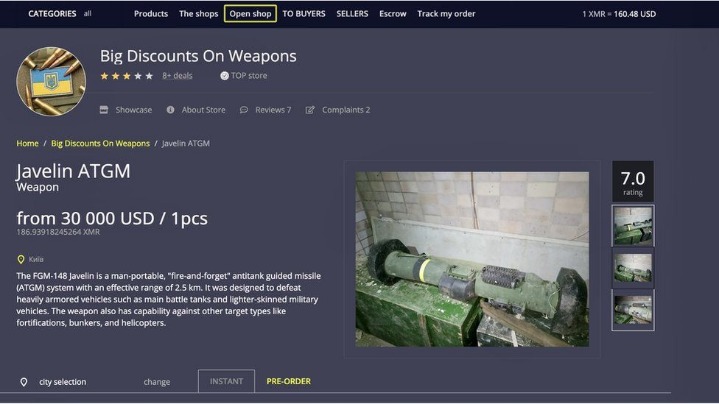
Black Market Website Names
Many black market websites operate under a veil of secrecy, often changing their names or domain extensions to evade law enforcement. Below are some commonly known names that have gained notoriety in the underground economy:
Silk Road was once the most well-known dark web marketplace, but after its shutdown, many new markets took its place. In addition, know that while accessing the dark web is legal in most countries, engaging in illegal activities (buying or selling contraband, hacking services, etc.), is illegal everywhere. Bypassing firewalls and other forms of geo-blocking helps people to access news websites and social media they normally wouldn’t be able to — and do so with less fear of recrimination. Data brokers such as LocalBlox for instance crawl the web and store information about business and consumers to sell for marketing purposes. There are also millions of servers which only store data which can’t be accessed via a public web page.
- These markets operate outside public health and safety frameworks, increasing risks related to product safety, violence, and criminal enforcement.
- Silk Road 2.0 and over 50 other black market organizations fell during Operation Onymous, but more like Agora and Evolution took their place.
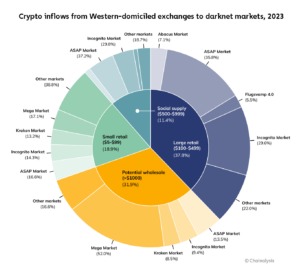
- Abacus Market offers an extensive array of illegal goods and services across various categories, making it one of the most versatile marketplaces on the dark web.
- By 2025, it is already a key player for those involved in the business of data theft and trafficking.
- For example, between the Republic of Ireland and Northern Ireland, there has often been a black market for petrol and diesel.
- Silk Road: One of the most infamous black market sites, primarily known for the sale of illegal drugs.
- AlphaBay: This platform facilitated a wide range of illegal activities until it was shut down in 2017.
- Hydra: Operating in Russia, it has become a significant player in the distribution of illegal goods.
- Dream Market: Another notorious platform known for its user-friendly interface and a range of illicit products.
- Wall Street Market: It was popular for drug and counterfeit sales but was shut down in 2019.
- Black Markets: Refers to various smaller, less-known sites where illegal transactions occur.
How Do These Websites Operate?
Understanding how black market websites function can help individuals recognize the risks:
- Access via Tor: Most black market sites are not accessible through standard web browsers. Users often require Tor, a special browser that anonymizes traffic.
- Cryptocurrency Payments: Transactions typically occur in cryptocurrencies like Bitcoin to hide the identities of buyers and sellers.
- No Regulation: These platforms operate outside of legal frameworks, meaning users have no consumer protections.
- Anonymity: Users and vendors rely on pseudonyms to protect their identities, adding another layer of risk.
Risks of Engaging with Black Market Websites
Engaging with black market websites poses numerous risks, including:
- Legal Consequences: Purchasing illegal goods can lead to severe criminal charges.
- Fraud and Scams: The lack of regulatory oversight makes these platforms fertile ground for scams.
- Data Breaches: Users risk exposing their personal information, which can lead to identity theft.
- Health Risks: Illegally obtained drugs or counterfeit products can pose significant health hazards.
Frequently Asked Questions
What is the black market?
The black market refers to the illegal trading of goods and services, often to evade regulations and taxes.
Are all black market websites the same?
No, there are various black market websites specializing in different illegal activities, such as drugs, counterfeit products, and hacking services.
How can I protect myself from black market scams?
Staying informed about the risks, using secure browsing practices, and avoiding transactions on unregulated platforms are essential steps.
Can law enforcement track black market transactions?
While law enforcement agencies have tools to track illegal activities, the use of cryptocurrency and anonymizing software makes it challenging.
Awareness of black market website names and their operational methods is crucial for individuals to navigate the digital landscape safely. By staying informed, individuals can protect themselves from the numerous risks associated with these illegal platforms.