Sin taxes – taxes levied on products deemed harmful such as alcohol and tobacco – may increase the black market supply. Another in Britain was supplies from the U.S., intended only for use on U.S. army bases on British land, but leaked into the local native British black market. The rationing and price controls enforced in many countries during World War II encouraged widespread black market activity. It has been suggested that if efforts in North America to ban realistic looking sexbots succeed, it may result in a black market. Platforms used to sell sex toys on the black market include consumer-to-consumer online auction websites and private pages on social media websites.
The black market operates outside the legal framework of commerce, where goods and services are exchanged illegally. This shadowy economy thrives in various regions across the globe, often flourishing in areas with strict regulations or economic hardships. Understanding the dynamics of the black market is essential for communities aiming to protect themselves from its often harmful implications. This article explores the concept, causes, and consequences of the black market, shedding light on how it affects society.
This is part of the controversy around Airbnb (ABNB +0.75%) and other home-sharing platforms, which some critics call illegal hotels. Black market transactions aren't taxed or recorded as income since they typically take place using cash without a paper trail. If you go to a store or shop from an established online retailer, you're engaging in legal commerce, which is sometimes known as the white market. Their highest goal is to communicate a message to black people that they are seen, loved, and important. They started vending on Etsy and then created a website only to realize that the items rarely represented black history or culture. The walls have colorful, striped wallpaper and are tastefully covered with posters featuring cultural figures from bygone eras and black art.
What is the Black Market?
The black market refers to the trade of goods and services that are not authorized by law. It encompasses a wide range of activities, from the sale of illegal drugs and weapons to the trafficking of endangered species. Transactions in the black market typically occur without government oversight, meaning that neither party can appeal to legal recourse in case of fraud or quality disputes.
Characteristics of the Black Market
- Illegal Transactions: All activities in the black market are, by definition, illegal. This can include anything from smuggling drugs to selling counterfeit products.
- High Risks: Participating in the black market exposes individuals to significant risks, including legal penalties, financial loss, and potential violence.
- Lack of Regulation: Unlike legitimate markets, the black market has no consumer protection laws, which often leads to poor quality and unsafe products.
Causes of the Black Market
Several factors contribute to the existence of the black market. Understanding these can help in formulating effective policies to combat its growth.
Government Restrictions
Strict regulations on certain goods, such as alcohol, drugs, or firearms, often create a demand for those items that cannot legally be met. For instance, when countries impose high taxes or bans, consumers may turn to the black market to obtain these products.
Economic Instability
- The illegal logging of timber, according to Interpol, is an industry worth almost as much as the drug production industry in some countries.
- By contrast, the black market refers to the buying and selling of illegal products or legal products that are purchased illegally.
- Black markets facilitate the exchange of a wide array of goods and services that are either illegal or transacted to avoid regulation.
- Despite ongoing law enforcement efforts to intercept illegal drug supplies, demand remains high, providing a large profit motive for organized criminal groups to ensure that drugs are available.
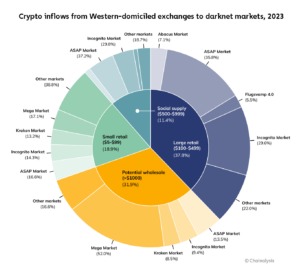
- A black market can also exist online, such as on the dark web, where individuals communicate to exchange goods and payments are made in digital currencies.
In regions facing economic hardship, individuals may resort to the black market as a means of survival. The desire for basic goods and services can push people toward risky, illegal alternatives, leading to a thriving underground economy.
Consequences of the Black Market
The ramifications of the black market are wide-ranging and often detrimental to society.
Impact on Public Health
Illegal drugs and counterfeit pharmaceuticals can pose severe health risks to users. Without regulatory oversight, the safety and efficacy of these products cannot be guaranteed, potentially leading to addiction or even death.
- Because of the clandestine nature of the black economy, it is not possible to determine its size and scope.
- Drug legalization activists draw parallels between the illegal drug trade and the Prohibition of alcohol in the United States in the 1920s.
- Governments often place restrictions on markets because of a philosophical commitment to controlled markets, lack of foresight, martial rationing, or moral ideology.
- While they are often seen as separate from the formal economy, they are deeply intertwined with it, influencing resource allocation, market prices, and the overall integrity of the economic system.
Criminal Activity
Involvement in the black market often overlaps with organized crime. This can lead to increased violence and lawlessness in communities, making them unsafe for residents and businesses alike.
Combating the Black Market
Efforts to combat the black market require a multi-faceted approach that includes education, policy reform, and community engagement.
Education and Awareness
Informing communities about the dangers and realities of the black market can empower individuals to make safer choices. Awareness campaigns can highlight the potential consequences of engaging in illegal transactions.
Policy Reform
Addressing the root causes of the black market often requires reevaluating existing laws and regulations. By creating more reasonable policies, governments can reduce the appeal of illegal alternatives.
Conclusion
The black market represents a complex and multifaceted issue that affects societies globally. By understanding its causes and consequences, we can take steps to mitigate its impact and promote safer and healthier communities. Informing individuals about the realities of the black market is a critical step in creating a more informed citizenry and ultimately saving lives.