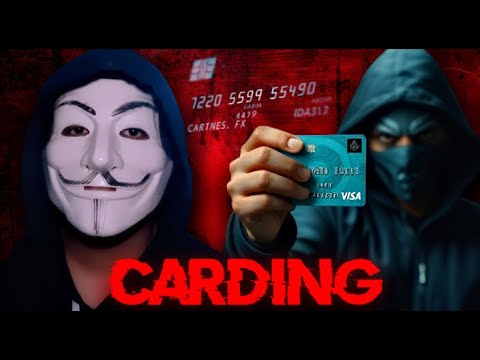
The dark web has long been a source of intrigue and concern for internet users worldwide. Among the multitude of illicit activities that take place in this obscure part of the internet, one of the most notorious is carding. Understanding what carding entails, how it operates on the dark web, and the implications it carries can be crucial for anyone looking to safeguard their personal information and financial security.
- Another forum member thanked the user for “saving my time.” They opined that carding shops are “spawning like mushrooms nowadays” but that “the suppliers are still the same.”
- In the realm of open-source security data, there is a high focus on social networks, especially on Twitter (now X), due to its API with historically generous research access.
- Sometimes, carders collaborate with “cashers,” who act as middlemen by purchasing stolen credentials and then monetizing themselves.
- Inform your bank or credit card issuer immediately to freeze your accounts and prevent further unauthorized transactions.
- Victims of carding often suffer financial losses, compromised personal information, and damaged credit scores.
What is Carding?
Carding refers to the fraudulent use of stolen credit card information to make unauthorized purchases or transactions. Criminals exploit this method to acquire goods and services without having to use their own funds. This practice is prevalent on the dark web, where stolen credit card details can be bought and sold with relative anonymity.
Although the anonymous administrator behind the marketplace was never publicly identified or arrested, authorities seized multiple servers and cryptocurrency wallets, significantly disrupting global carding networks. High-profile cases highlight both the scale of carding activities and the serious legal consequences faced by those involved. Law enforcement agencies worldwide, including the FBI and Europol, continuously investigate and dismantle major carding operations. AI platforms such as IBM Safer Payments and Feedzai leverage advanced analytics, machine learning, and predictive modeling to identify fraudulent transactions before they are completed.
In addition to the meta-analysis of the “first-hand” data sources from cybercriminals, we release our open-source tool to encourage future researchers to perform similar data exploration of their “first-hand” data with our validated NLP pipeline. Prior work underutilizes intelligence from such sources as it requires lengthy access processes. The societal impact of such cybercrime often goes beyond direct financial losses. For example, these topics include conspiracy theories (specifically “Flat Earth Theories”), or “Disinformation and Political Propaganda.” While these topics represent false positives in our context as we filtered for CTI relevance, they hint at various other anti-social activities for which analyzing “first-hand” data from cybercriminals could yield insights.
How Carding Works
The process of carding typically involves several steps. Criminals first obtain stolen credit card information, which can be sourced through various means such as hacking, phishing, or data breaches. Once they have this information, they may test the validity of the cards through small transactions, a practice known as "carding tests." If successful, they proceed to make larger purchases or monetize the information by reselling it on various dark web marketplaces.
The Dark Web's Role in Carding
The dark web provides an environment that supports the anonymity needed for carding. Utilizing specialized software like Tor, individuals can access hidden marketplaces that operate on this layer of the internet. These marketplaces often have user ratings, enabling buyers to gauge the reliability of sellers who offer stolen card information. This underground economy thrives on trust and reputation, even in the absence of traditional regulatory systems.
Preventing Carding Victimization
Being informed about carding is essential in protecting oneself from becoming a victim. Here are several proactive measures individuals can take:
- Monitor Financial Statements: Regularly check bank and credit card statements for unauthorized transactions.
- Use Strong Passwords: Create complex passwords for online accounts, and consider using a password manager.
- Enable Two-Factor Authentication: Adding an extra layer of security can help protect accounts from unauthorized access.
- Be Cautious with Personal Information: Limit the sharing of sensitive information online and be wary of suspicious emails or links.
- Consider Credit Monitoring Services: Enroll in services that alert you to significant changes in your credit report.
Conclusion
Awareness of carding and the dark web's role in facilitating this illicit activity is crucial for individuals in today's digital age. By understanding how carding operates and taking proactive measures to safeguard personal information, individuals can better protect themselves from the risks posed by this complex web of cybercrime. Knowledge is a powerful weapon against fraud, and staying informed can make all the difference in safeguarding one’s financial security.