Under the joint agreement signed by the United States and Bolivia in 1987, which created the DNCSP, Bolivia allocated US$72.2 million for the 1988 to 1991 period to eradication programs, including a wide-ranging rural development program for the Chapare region. These efforts put only a small dent in the coca industry and were highly controversial among thousands of peasants. Bolivia's National Directorate for the Control of Dangerous Substances (Dirección Nacional para el Control de Substancias Peligrosas—DNCSP) was able to eradicate several thousand hectares of coca. About 65 percent of all Bolivian coca was grown in the Chapare region of Cochabamba Department; other significant coca-growing areas consisted of the Yungas of La Paz Department and various areas Santa Cruz and Tarija departments. The coca plant, a tea-like shrub, was cultivated mostly by small farmers in the Chapare and Yungas regions. Analysts believed that exports of coca paste and cocaine generated between US$600 million and US$1 billion annually in the 1980s (depending on prices and output).
In recent years, the concept of dark markets in Bolivia has emerged as a crucial topic of discussion, particularly regarding its implications on society and the economy. These platforms, often characterized by their anonymity and illicit trade, have raised substantial concerns about safety, legality, and the protection of individuals. Understanding how these markets operate can empower individuals to make informed decisions and promote public safety.
Open every day from 9 to about 4.Mercado Barrio LindoLocated just behind the new multi-modal bus/train station, this market operates only two days a week (Wednesdays and Saturdays from 9am to 6pm) and is HUGE and well worth a trip! See our page about the Bolivian sales tax for a detailed explanation of these points and how to know when it's best to buy at a market and when it's not. Traditionally, Bolivian families send their housekeepers to do the market shopping and it's not actually a bad idea for foreigners as well.
British authorities have aggressively tried to detect and confiscate such illegal imports, and to prosecute those caught. Such smuggling efforts range from vacationers concealing relatively small quantities of tobacco in their luggage to large-scale enterprises linked to organized crime. In England and Wales, certain categories of weapons used for hunting may be owned by qualified residents but must be registered with the local police force and kept within a locked cabinet. People increase the value of the stolen data by aggregating it with publicly available data, and selling it again for a profit, increasing the damage that can be done to the people whose data was stolen. In other countries, such as Nicaragua, where legal prostitution is regulated, hotels may require both parties to identify themselves, to prevent child prostitution. For example, in Baltimore, many consumers actively prefer illegal taxi operations, citing that they are more available, convenient, and fairly priced.
- Cybersecurity experts should pay close attention to these trends, as they often indicate emerging threats and profit-generating tactics among the cybercriminal forums.
- Buenos Aires sent three military campaigns, all of which were defeated, and eventually limited itself to protecting the national borders at Salta.
- After that, many other marketplaces kept trying to take its place and become the top dark web market.
- Bolivia stands out amongst other South American countries for its remoteness, which is surely part of its appeal.
Understanding Dark Markets
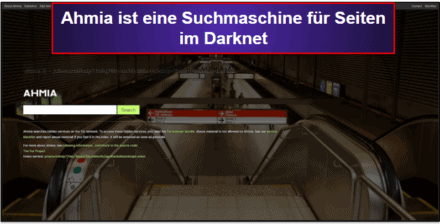
Dark markets, or dark web marketplaces, are online platforms that operate on the dark web, a segment of the internet not indexed by traditional search engines. They consist of various sellers offering goods and services, often illegal, for purchase using cryptocurrencies and other anonymous payment methods. While these markets can provide access to a plethora of items, including drugs, weapons, and stolen data, they also pose significant risks.
The Landscape of Dark Markets in Bolivia
In Bolivia, the phenomena of dark markets are reflective of larger trends within Latin America. As internet access continues to expand and digital literacy increases, more individuals may be drawn to these markets. Law enforcement agencies and policymakers are tasked with addressing the challenges posed by these online platforms, which include drug trafficking and cybercrime.
Risks Associated with Dark Markets
Engaging in dark market transactions involves numerous risks. The anonymity that attracts users can also work against them. There are significant dangers such as fraud, scams, and exposure to illegal activities that could result in severe legal consequences. Additionally, the inherent volatility of cryptocurrencies means users may also face financial risks.
Protecting Yourself from Dark Markets
Understanding the operation of dark markets in Bolivia is vital for personal safety and awareness. Here are some strategies to protect yourself:
- Stay Informed: Knowledge is your first line of defense. Understanding the characteristics of these markets can help you identify potential risks.
- Avoid Engaging: The best way to avoid legal troubles is to refrain from participating in these marketplaces altogether.
- Use Secure Browsers: If you must explore the dark web for educational purposes, ensure you use secure tools and practices to protect your identity and sensitive information.
- There are a variety of illegal markets, and all of them work in different ways.
- However, the Bolivian government has done little to enforce gun laws, and a significant portion of the arms in circulation are illegal, contributing to a rise in violence levels.
- It is used by many for buying or selling items that are prohibited on the regular internet, like fake IDs, illegal drugs, and stolen data.
- The treaty stipulated that Chile would withdraw from Peru-Bolivia, Chile would return captured Confederate ships, economic relations would be normalized, and the Confederation would pay Peruvian debt to Chile.
- He was finally captured, the illegal market was shut down, and he was serving life in prison.
- Resistance to state control is evident along the Desaguadero border with Peru and in illegal mining zones.
Conclusion
The presence of dark markets in Bolivia raises significant societal concerns. By staying informed and understanding the dynamics of these platforms, individuals can protect themselves from becoming victims of illegal activity or scams. Awareness and education are key in navigating the complexities of the dark web and ensuring a safer online environment for all users.