Before downloading your dark web browser, though, there are a series of safety precautions you’re going to want to take first. These efforts could very well include accessing the dark web to help victims and hunt down criminals. For instance, there are some organizations who employ the services of white-hat-hackers for a number of reasons. As mentioned throughout, DOT Security advises against accessing the dark web as it opens up a myriad of vulnerabilities that are unnecessary for the vast majority of businesses and organizations. Again, it’s DOT Security’s advice to stay off the dark web entirely.
Criminals can freely operate on the dark web, with the same protective covering that keeps harmless users safe. The dark web is a significant segment of the deep web, retaining about 5 – 6% of the whole internet. It is merely the content that is in a secure format, where the user must log in with a password or other credentials.
- Verified links reduce the chance of fake or dead sites
- Alternative dark web search engines exist, but they’re often incomplete — dark web sites can’t be crawled and indexed like on the surface web — and could expose you to malicious or illegal content.
- Without a VPN, your ISP can flag your account for monitoring or block Tor entirely.
- This .onion link is only available through Tor.
- Next, select a dark web search engine like DuckDuckGo that can help you find dark web websites that cannot be indexed by traditional surface web search engines, such as Google or Bing.
- It is often offered in some portals to give threat actors the tools for cyberattacks.
- Although it requires more work, it provides tech-savvy users with a more familiar interface with better security for accessing Tor through a proxy.
- The first conflation of the terms "deep web" and "dark web" happened during 2009 when deep web search terminology was discussed together with illegal activities occurring on the Freenet and darknet.
- The network is comprised of thousands of volunteer-run servers known as Tor relays.
The dark web is often shrouded in mystery and misconceptions. While it is known for harboring illicit activities, there is also a wealth of information and communities dedicated to various interests, including privacy advocacy, whistleblowing, and decentralized technologies. Understanding how to safely browse the dark web can empower individuals to protect their digital privacy and access information that may otherwise be censored. This article provides a foundational guide to navigating the dark web responsibly and effectively.
What is the Dark Web?
The dark web refers to a part of the internet that is not indexed by traditional search engines like Google. Accessing this part of the web typically requires special software, the most common being Tor (The Onion Router). The dark web is often associated with anonymity, allowing users to communicate, share, and explore without revealing their identities.
How to Access the Dark Web
To safely browse the dark web, follow these steps:
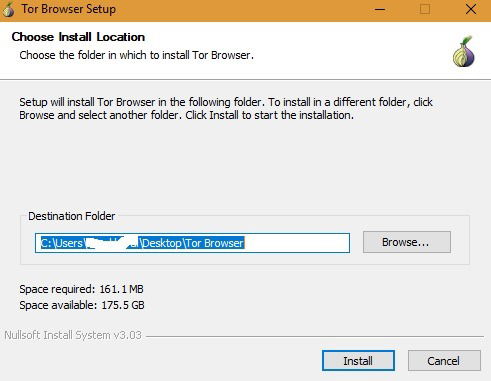
- Download Tor Browser: This is an essential tool for accessing .onion sites on the dark web.
- Install a VPN: A Virtual Private Network adds an extra layer of privacy by encrypting your internet connection.
- Keep Software Updated: Regularly update your Tor Browser and VPN to protect against vulnerabilities.
- Use Security Controls: Enable privacy settings and consider additional security extensions.
- Stay Anonymous: Avoid sharing personal information while browsing.
Using the Dark Web Safely
While the dark web can be a valuable resource, users must exercise caution. Here are some tips for safe browsing:

- Stay Informed: Research sites before visiting to ensure they are legitimate.
- Beware of Scams: Many sites may promise goods or services but may be fraudulent.
- Protect Your Identity: Use pseudonyms and avoid sharing identifying information.
- Be Aware of Laws: Understand the legal implications of accessing certain content in your region.
- Exit Safely: Close the Tor browser when finished to ensure your session ends appropriately.
Common Misconceptions about the Dark Web
Despite its notoriety, the dark web is not solely a hub for illegal activities. Here are some common misconceptions:
- All Users are Criminals: Many users browse for legitimate reasons, including security and privacy.
- The Dark Web is Only for Hackers: It contains communities focused on education, support, and advocacy.
- It’s Completely Safe: While tools like Tor provide anonymity, they don’t guarantee complete security.
FAQs About Browsing the Dark Web
- Is it illegal to browse the dark web?
- No, browsing the dark web itself is not illegal, but accessing specific content or engaging in certain activities may be.
- What can I find on the dark web?
- You can find a range of content, including forums, marketplaces, and information on privacy and security.
- Do I need special skills to navigate the dark web?
- Basic knowledge of using Tor and general internet security practices is sufficient for most users.
- Can I be tracked while using the dark web?
- While Tor masks your IP address, it does not guarantee complete anonymity. Always use additional security measures like a VPN.
Conclusion
Learning to browse the dark web can be a crucial skill in today’s digitally driven world, where privacy and access to information are constantly challenged. By approaching it with caution and a clear understanding of the tools and risks involved, you can explore this hidden side of the internet in a secure manner, ensuring that you remain informed and protected.