The dark web has gained significant attention in recent years, often being associated with illegal activities and nefarious characters. However, it also serves as a vital resource for privacy-conscious individuals and those seeking to communicate freely in restrictive environments. Understanding how to access dark web resources safely and responsibly can empower users with knowledge while promoting online privacy. This article delves into the essentials of navigating the dark web, highlighting its uses, risks, and safety measures.
What is the Dark Web?
Join security leaders who rely on the Think Newsletter for curated news on AI, cybersecurity, data and automation. Despite its association with illicit activity and illegal content, simply accessing the dark web is not necessarily illegal in many jurisdictions. Cybercriminals take advantage of this anonymity to cloak their illegal activities. The difference is that dark web content resides on darknets, anonymous subsections of the internet with particular access requirements. DarkBlue regularly scrapes dark web sites, copying their data and ingesting it into a single, searchable database.
- The Tor routing innovations created for US intelligence agents are now used by a variety of everyday users who value their online privacy and data security.
- Set of measures to prevent potential online threats.
- It doesn’t just find pages — it gathers technical data such as uptime, bitcoin addresses, SSH keys, and service fingerprints.
- ”, the search results page returns Internet locations (i.e. webpages) that contain those words.
- Some focus on filtering out harmful content, others on privacy and anonymity, and some on user friendly design.
“A lot of people use it in countries where there’s eavesdropping or where internet access is criminalized,” Tiquet said. Nearly all dark web commerce sites conduct transactions in bitcoin or some variant, but that doesn’t mean it’s safe to do business there. Law enforcement officials are getting better at finding and prosecuting owners of sites that sell illicit goods and services. Many dark websites are set up by scammers, who constantly move around to avoid the wrath of their victims. Dark web websites also use a scrambled naming structure that creates URLs that are often impossible to remember. That’s “a special-use top level domain suffix designating an anonymous hidden service reachable via the Tor network,” according to Wikipedia.
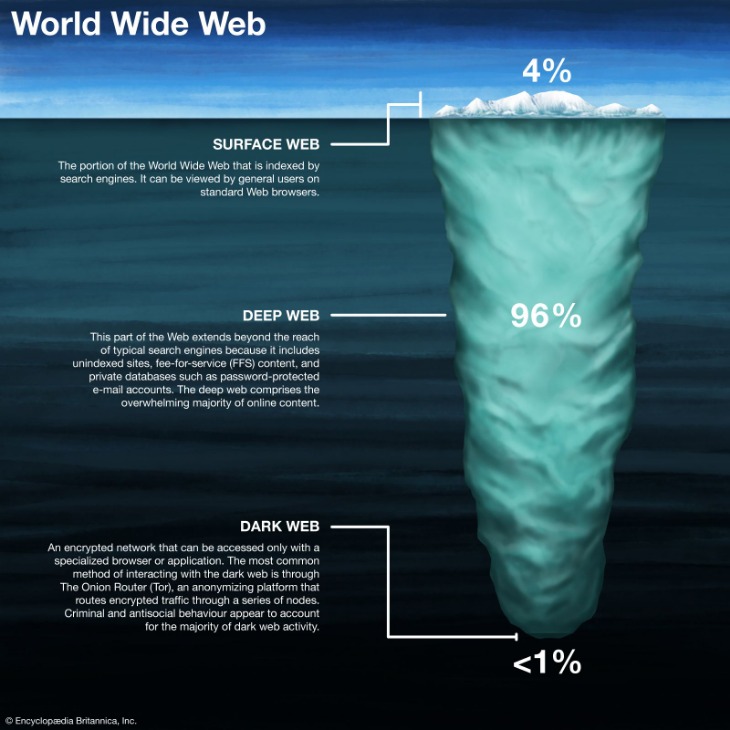
The dark web is a part of the internet that is not indexed by traditional search engines. It requires special software and configurations to access, making it less visible and accessible than the surface web. This anonymity can be both a boon for privacy and a risk, as it hosts various illegal activities alongside legitimate content.
Why Access the Dark Web?
There are several reasons why individuals might choose to access dark web resources:
1. Privacy and Anonymity
For users in countries with heavy censorship, the dark web provides a platform to voice opinions freely. Journalists and activists often use dark web tools to protect their identities while safely communicating sensitive information.
- These tools help less technically skilled criminals launch attacks.
- The user's browser looks up the onion address in the onion database and learns the introduction points for that hidden site.
- While anonymity is the major draw of the dark web, there are ways to uncover a user’s identity.
- Get guidance on choosing security solutions, understanding their value, and onboarding your team.
2. Research and Education
Academics and researchers may explore the dark web to study cybercrime trends, online behavior, or to understand the dynamics of misinformation. Caution and ethical considerations should guide such explorations.
3. Accessing Restricted Content
Individuals may seek out the dark web to obtain information or resources that are blocked or censored in their regions. This can be particularly crucial for those in oppressive regimes.
How to Access the Dark Web Safely
Gaining access to the dark web should be approached with caution. Here are steps to consider:
1. Use a Reliable VPN
Before accessing the dark web, it's crucial to use a Virtual Private Network (VPN). A VPN encrypts your internet connection, enhancing your privacy by hiding your IP address from potential snoopers.
2. Download Tails or Tor Browser
The Tor Browser is the most common method for browsing the dark web. It works by routing your traffic through a network of servers, obscuring your identity. Alternatively, Tails is a privacy-focused operating system that can be run from a USB stick, further enhancing anonymity.
3. Stay Informed About Risks
Understanding the potential dangers of the dark web is key. Be aware of scams, malware, and illegal activities. Not all sites are safe; exercise caution when navigating.
Conclusion
While the idea of accessing the dark web may seem daunting, it offers unique opportunities for individuals seeking privacy and freedom of expression. By following safety protocols and remaining educated about the risks, users can navigate this hidden part of the internet responsibly. Ultimately, knowledge about how to access dark web resources can empower individuals and potentially safeguard their rights and freedoms in an increasingly digital world.