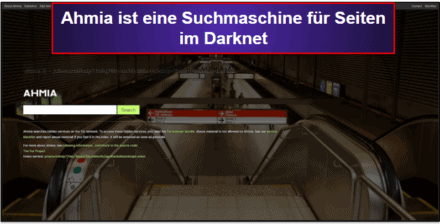
In recent years, the digital landscape has transformed how goods and services are exchanged, including in Albania, where dark markets Albania have emerged. These online platforms allow individuals to buy and sell a wide variety of products and services, often outside the purview of government regulation. While some users may turn to these markets for legitimate reasons, others may exploit them for illegal activities. Understanding how these dark markets function is crucial for navigating the complexities of online transactions and ensuring personal safety.
There are many delicious foods you should try during your time in Albania. Albanians don’t like commitment so arranging things ahead of time probably won’t end well. If someone says to meet at a particular time it usually means at least half an hour after that. There are some cafes where only men go, it’s not forbidden for women to go but they are just not nice places.
- If someone says to meet at a particular time it usually means at least half an hour after that.
- Transactions within these marketplaces typically leverage cryptocurrencies—most commonly Monero, Bitcoin, and privacy-centric digital currencies developed specifically to enhance transaction anonymity.
- Despite the murky backdrop, Albania welcomed 11.7 million tourists in 2024 – its tourism sector growing by 8 percent year-on-year and almost doubling since 2019.
- This can lead to a biased view of the research landscape, as papers not included in the database will not be included in the analysis.
What Are Dark Markets?
Dark markets are online marketplaces that are typically hosted on the dark web, requiring specific software, configurations, or authorization to access. They have gained notoriety for facilitating transactions of illicit goods, such as narcotics, weapons, and stolen data. However, they can also serve as platforms for goods that do not fall under conventional marketplaces, raising important questions about legality and ethics.
- This increases the accessibility and sophistication of cyber threats, with far-reaching consequences for businesses.
- And trying to understand how and whether is it involved OC on these cyber drug markets and the chain behind them.
- The research also looked at how vendors diversify and replicate across marketplaces, the number of listings they manage, and the number of cryptomarkets they are active on.
- But I don’t need to tell you that every country is its own entity.
- They define and characterize the Darknet, compare it to other monitoring systems, and report on case studies.
The Structure of Dark Markets
Dark markets usually operate on a decentralized platform, meaning that there is no central authority governing transactions. Instead, users rely on various methods to verify the credibility of sellers and the quality of products. Payment methods often include cryptocurrencies to maintain anonymity. This anonymity can foster a sense of security for buyers and sellers but also raises significant risks and ethical concerns.
Dark Markets in Albania
In Albania, as in many other countries, the rise of dark markets Albania presents unique challenges to law enforcement and public safety. The ease of access to these platforms may lead some individuals, particularly young people, to engage in risky behaviors without fully understanding the implications. While not all goods found on these platforms are illegal, the potential for encountering harmful products always exists.
Risks Associated with Dark Markets
Engaging with dark markets comes with a variety of risks. Buyers may receive counterfeit or substandard products that can pose serious health risks. Furthermore, there is the danger of scams, where users may pay for items that never arrive, or they may inadvertently expose themselves to cyber threats, such as malware or data breaches. Additionally, the legal ramifications of purchasing illicit goods can lead to criminal charges that have long-lasting consequences.
User Awareness and Education
To mitigate the risks associated with dark markets Albania, education is paramount. Users should be aware of the potential dangers and the reality of navigating these online spaces. Resources and communities that focus on safe online practices can help users make informed decisions. One must recognize that while the allure of anonymity and low prices may be tempting, the consequences can be severe.
Legal Framework and Enforcement
The Albanian government, along with international agencies, is increasingly focused on cracking down on illegal activities associated with dark markets. Enhanced regulations and monitoring practices are being developed to protect citizens and curb criminal activities. Understanding the existing legal landscape can help individuals navigate the boundaries of acceptable online behavior and avoid potential legal repercussions.
Conclusion
As dark markets Albania continue to evolve, it is essential for users to stay informed and cautious. Awareness of the risks, legal implications, and ethical considerations can empower individuals to make safer choices in their online transactions. Continued education and dialogue about these platforms can potentially save lives and promote a more secure digital environment for everyone.