Avoid using personal credit cards or bank accounts that are linked to your real identity. This accessibility lowers the barrier to entry for aspiring cybercriminals, leading to an increase in the demand for stolen credit card details. Criminal marketplaces, like Silk Road and AlphaBay, have made headlines for facilitating the sale of drugs, hacking tools, counterfeit money, and stolen credit card data. Considering this backdrop, it is evident that b1ack’s primary goal has consistently been to profit from the sale or use of these stolen credit card details. B1ack’s Stash, a new dark web marketplace, recently gained significant attention by releasing 1 million stolen credit card details for free upon their debut on April 30, 2024.
Even in regions like the EU, where banks are legally required to implement strong customer authentication, criminals continue to find ways to bypass these safeguards. Carding has long been a prevalent form of online crime—and it remains a serious threat. Transactions can be quickly flagged or blocked, making fraud attempts risky and unreliable.
Further investigation indicated that B1ack started this marketing campaign in January this year by posting hundreds of free stolen payment cards to build credibility and attract more customers. From the data we collected, it was revealed that the leaked information affected cards from various countries, including the Philippines, with a significant number of exposed payment cards. BidenCash launched in early 2022 as a new marketplace on both the dark web and the clearnet, selling credit and debit cards that were stolen through phishing or skimmers on e-commerce sites. The analysts claim these cards mainly come from web skimmers, which are malicious scripts injected into checkout pages of hacked e-commerce sites that steal submitted credit card and customer information.
- Learn the basics of credit card cards, including features, fees, and rewards to make informed decisions about your credit card usage.
- This underground economy poses significant risks to individuals and financial institutions alike.
- CHOOSING A CARDSelecting a credit card that perfectly matches your financial plan, credit score, and expenditure requirements enables you to access the most attractive offers.
- You’re probably wondering how things like a PayPal account login or credit card details end up on the dark web.
- The intelligence gathered from these markets helps security teams predict and prevent future attacks.
The dark web has garnered significant attention for its association with illegal activities, including the buying and selling of stolen credit card information. Understanding how this aspect of the dark web operates can equip individuals with the knowledge necessary to protect themselves from identity theft and fraud. This article delves into the details surrounding buying credit cards on the dark web, shedding light on the risks and implications involved.
Buying Credit Cards On Dark Web
The dark web refers to parts of the internet that are not indexed by traditional search engines, accessible only through specific software, configurations, or authorization. While it is often portrayed as a haven for illicit activities, it serves various purposes, including anonymity for whistleblowers and activists. However, the trade of stolen credit cards is one of the more concerning aspects.
How It Works
Those intent on buying credit cards on the dark web typically navigate through marketplaces and forums that facilitate these transactions. Here’s a simplified breakdown of the process:
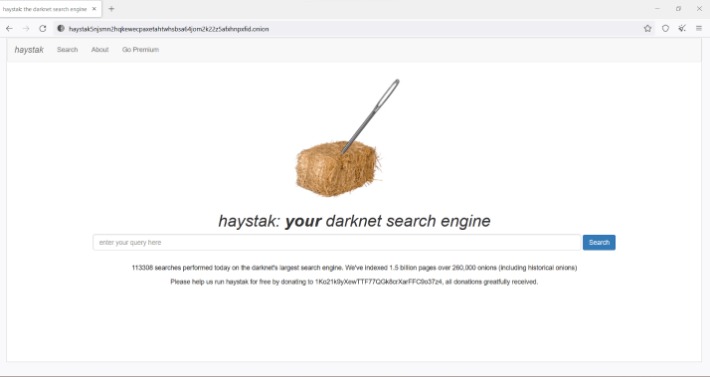
- Accessing the Dark Web: Users utilize software like Tor to browse hidden websites.
- Finding a Marketplace: Various online markets cater to illegal activities, including credit card sales.
- Verification: Buyers often need to build a reputation or verify their identity through other means to gain trust.
- Payment: Transactions usually occur using cryptocurrencies to maintain anonymity.
- Delivery: After purchase, the stolen credit card information is delivered electronically.
Risks Involved
Engaging with the dark web for purchasing credit cards comes with considerable risks, including:
- Legal Consequences: Purchasing stolen information is illegal and can lead to arrest and prosecution.
- Financial Risk: Many dark web sellers are scams, leading buyers to lose their money without receiving any product.
- Identity Theft: Providing personal information to untrustworthy sources can result in direct victimization.
- Cybersecurity Threats: Navigating the dark web can expose users to malware and other cyber threats.
Understanding the Consequences
The aftermath of engaging in such activities can be severe. Victims of identity theft spend an average of 40 hours resolving issues related to their stolen identity. Furthermore, data breaches can affect not just individuals but also organizations and banks, leading to broader financial implications.
FAQs
Is accessing the dark web illegal?
No, accessing the dark web itself is not illegal. However, engaging in illegal activities, such as purchasing stolen credit cards, is against the law.
How can I protect myself from credit card fraud?
- Monitor your bank statements regularly.
- Use strong, unique passwords for online accounts.
- Enable two-factor authentication whenever possible.
- Be cautious of unsolicited emails or messages asking for personal information.
What should I do if my credit card information is stolen?
Contact your bank or credit card issuer immediately, report the fraud, and consider placing a freeze on your credit report.
In conclusion, while the dark web holds some intrigue, the associated dangers of buying credit cards on the dark web far outweigh any perceived benefits. Awareness and education are crucial to safeguard personal information and prevent falling victim to the multitude of cyber threats that exist in this hidden part of the internet.