The intersection of cryptocurrency and online anonymity has given rise to a fascinating yet controversial ecosystem: bitcoin darknet markets. These marketplaces, often hidden from the surface web, facilitate the trade of goods and services that range from legal to illegal offerings. Understanding how these markets operate, their implications, and the role of Bitcoin can help individuals navigate the complex web of information surrounding this topic. This article explores the mechanics, risks, and the cultural impact of bitcoin darknet markets.
- If dead-drops were to be employed by Western drug markets, this could result in similar risks — such as drugs in public places or violence regularly used as an enforcement mechanism within drug vendor networks.
- (a) Total number of users interacting with a DWM against the total number of users forming U2U transactions.
- Argentina debuts Bitcoin credit card; NY to criminalize unlicensed crypto ops; France gripped by surge in crypto kidnappings.
- The forfeited property includes large amounts of cryptocurrency, cash holdings and real estate, including a luxury home in Ohio acquired during the period Helix was active.
- We focus on two kinds of transactions, occurring (i) between the user and a DWM and (ii) between two users of the same DWM.
What are Bitcoin Darknet Markets?
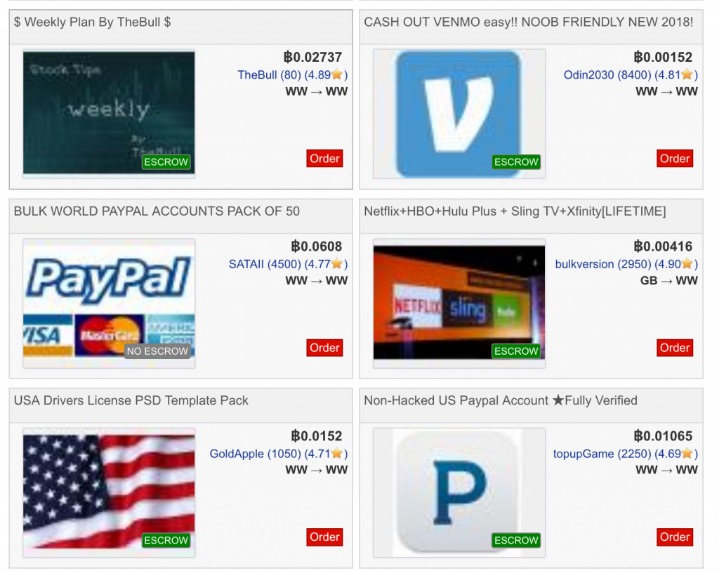
Bitcoin darknet markets are online platforms that allow users to buy and sell products or services, typically using Bitcoin as the primary currency. These markets operate on the dark web, accessible only through specific software such as Tor, which provides anonymity to both buyers and sellers. This environment promotes a sense of privacy, but also raises ethical questions due to the nature of many transactions conducted therein.
- Helix functioned as a cryptocurrency mixer, pooling and rerouting bitcoin transactions to obscure their origins and destinations.
- Meanwhile, retail vendors, who operate on a smaller scale, are holding more of their illicit earnings in personal wallets, delaying conversion to fiat to avoid detection.
- (b) Monthly trading volume of stable U2U pairs.
- This dynamic reflects a hybrid financial environment shaped by economic necessity, regulatory ambiguity, and ongoing efforts to maintain access to dollar‑linked value.
- Also, in the process of cracking the Silk Road, police involved in the investigation reportedly began their own markets or partnered with vendors to cash-in on the new cryptic technology once they learned how to use it.
- Governments have started more direct enforcement, including through sanctions targeting entities and individuals linked to scam operations.
The Role of Bitcoin

Bitcoin, as a decentralized cryptocurrency, plays a pivotal role in the functioning of bitcoin darknet markets. Its ability to facilitate anonymous transactions makes it the currency of choice in many illicit exchanges. Users can acquire Bitcoin through various methods, including exchanges, mining, or peer-to-peer transactions. Once purchased, this cryptocurrency is used to transact discreetly on these online markets, providing a layer of security for both parties involved.
Always comply with applicable laws and regulations regarding cryptocurrency usage. Despite not being designed for anonymity, Bitcoin's pseudonymous nature made it attractive for darknet shop operations. – Darknet markets processed ~$2-3.5B annually
Types of Goods and Services Offered
While bitcoin darknet markets are notorious for the sale of illegal items such as drugs and weapons, many also feature legal goods like digital services, hacking tools, and counterfeit products. This diversity in offerings highlights the complex nature of these platforms, attracting a range of participants from different backgrounds. Buyers should exercise caution, as not all transactions are secure or trustworthy.
Risks and Challenges
Navigating bitcoin darknet markets comes with significant risks. The potential for scams is high, as anonymity can embolden malicious actors. Users may encounter fraudulent listings, leading to financial loss or compromised personal information. Additionally, engaging in illegal activities, even unknowingly, can result in legal repercussions. It's imperative for individuals exploring these markets to remain vigilant and informed.
Legal and Ethical Implications
The existence of bitcoin darknet markets raises pressing ethical and legal questions. While advocates argue for personal freedom and privacy, detractors highlight the potential for harm caused by the illegal activities facilitated through these platforms. Law enforcement agencies worldwide are increasingly focused on cracking down on illicit trade, leading to a cat-and-mouse game between regulators and market operators.
The Future of Bitcoin Darknet Markets
The future of bitcoin darknet markets remains uncertain as technology evolves and regulatory oversight strengthens. However, the fundamental principle of anonymity in online transactions will likely persist, suggesting that these markets may continue to exist in various forms. As cryptocurrencies become more mainstream, the dynamics of these marketplaces could shift, attracting new users and altering existing practices.
Staying Informed
Understanding the complexities of bitcoin darknet markets is crucial for anyone interested in the intersections of technology, commerce, and legality. By staying informed and cautious, individuals can navigate this shadowy world with greater awareness, mitigating risks while exploring the potential opportunities that arise from advancements in cryptocurrency and online anonymity.