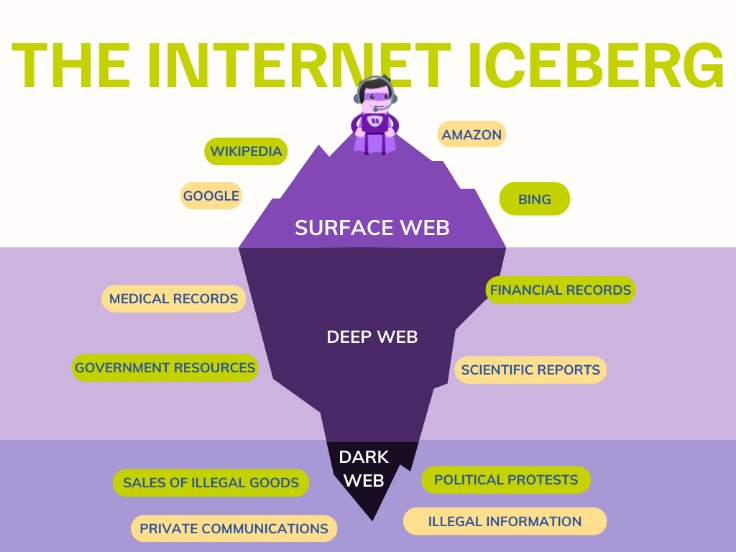
The dark web also features server-hosted content, but dark web sites lack standard identifiers or are excluded from indexing by website owners. The public internet or surface web is constructed from visible servers and web content identified by public IP addresses. For companies, it’s where breached credentials, customer records, and access to internal systems can quietly go up for sale.
In an increasingly digital world, understanding the internet's various layers is crucial for both personal safety and informed navigation. One of the most misunderstood realms is the dark web, often associated with illicit activities. However, the dark web serves important purposes, such as providing anonymity and privacy for users in oppressive regimes. In this article, we will explore how to access the dark web safely and responsibly, offering insights that are both educational and informative.
The dark web is a hidden part of the internet that requires specialized software like the Tor Browser to get access. Unlike the websites you browse daily, the dark web requires special tools to access and explore. It’s often used for anonymity, both for legitimate privacy reasons and for illegal activities like black market trading or data leaks.
In addition to visiting specific .onion sites you researched, you can also browse the dark web with a dedicated dark web search engine. So not only is your web activity hidden by Tor, but you can also mask your IP address for other network processes by connecting via a range of global VPN server locations. Making a plan for your dark web session and plugging potential gaps in your cybersecurity can help maintain your anonymity and avoid malicious content. These sites provide the ransomware operators with a platform to accept payments from the victims, a space to shame them and apply pressure, and somewhere to leak their data if they don't pay. Forums cover the breadth of criminal activity but these examples show there is a particularly thriving community of cybercriminals sharing information, tutorials, access, and exploits. By submitting this form, you consent to Malwarebytes contacting you regarding products and services and using your personal data as described in our Terms of Service and Privacy Policy.
What is the Dark Web?
The dark web is a part of the internet that is not indexed by traditional search engines. Unlike the surface web, where standard websites can be accessed without specific software, the dark web requires special tools to navigate. This hidden layer of the web is often accessed via specific browsers, the most popular being Tor, which anonymizes users' identities and activities.
- Hence, while the face of the internet remains the surface web, the deep and dark web are the hidden layers of the internet that require caution and understanding to traverse.
- Remember, while the dark web hosts a range of content, accessing illegal materials or services is, well, illegal.
- One of the challenges of exploring the dark web is that you can’t just use a search engine and type in what you’re after like you would on the surface web.
- Enable your agency with cybersecurity built for federal government environments.
Why People Access the Dark Web
There are numerous reasons individuals may want to access the dark web. For some, it offers a space for free expression in areas where censorship is prevalent. Journalists and activists often rely on the dark web to communicate securely. Others may seek information or resources that are not readily available through conventional channels. Unfortunately, some users may be drawn to the dark web for illegal activities, but it's essential to recognize that not all dark web usage is illegal.
How to Access the Dark Web Safely
While the dark web can pose risks, taking the right precautions can make the experience safer and more educational. Here are some essential steps to follow:
1. Use a Secure Internet Connection
Always use a secure and private internet connection when attempting to access the dark web. Avoid public Wi-Fi networks, as they can expose you to security vulnerabilities.
2. Download a Specialized Browser
The most common way to access the dark web is through the Tor Browser. This browser encrypts your internet traffic and anonymizes your identity. Ensure that you download Tor from its official website to avoid any malicious software.
3. Protect Your Identity
Never share personal information when using the dark web. Use a pseudonym and avoid accessing any accounts linked to your real identity. Consider using a VPN for an added layer of security.
4. Be Cautious with Links and Downloads
Links on the dark web can lead to dangerous sites or harmful downloads. Always verify the legitimacy of a site before clicking on links or downloading any files. Engaging with suspicious content can compromise your security.
- Install AVG Secure VPN to encrypt your internet connection and protect your privacy wherever you go on the web.
- This doesn’t require every security analyst to start using special browsers and manually searching dark web websites.
- Remember that no one can prevent all identity theft or cybercrime, and that LifeLock does not monitor all transactions at all businesses.
- The Internet is an enormous and complicated information network; the overwhelming majority of that is simply not available to any average user.
- The websites and online platforms that you find via your search engine are actually only a small part of the internet.
Conclusion
Understanding how to access the dark web is crucial in today’s digital age. While it has gained notoriety for its darker aspects, it also provides invaluable resources for many users around the globe. By following best practices and exercising caution, anyone can navigate this hidden side of the internet safely and responsibly. Knowledge is power, and being informed is the first step toward safe exploration.